
Maximize Returns and Manage Risk Across Your Energy Portfolio
In energy markets where weather drives price formation and portfolio risk, it is crucial to connect physical market dynamics to hedging strategies. Ascend helps increase cash flow certainty, improve position analysis, and optimize hedge design across physical, financial, and REC portfolios.
Learn More
100%
US Market Coverage
Up to 10%
Reduction in procurement/supply costs
25+
Financial Instruments to Manage Risk
An Integrated Approach to Portfolio & Risk Management
Maximizing portfolio value and managing risk require an integrated view that connects the physical side of power supply and demand with today’s market dynamics. Ascend delivers integrated insights that link weather, load, renewables, and price, helping to optimize portfolio performance, quantify exposure, and manage risk.
Portfolio Optimization
- Revenue stacking across asset types
- Hedge structure and PPA design
- What-if and scenario analysis
Risk Quantification
- VaR, CFaR, MtM, and P&L reporting
- Tail-risk and stress-test simulations
- Correlated weather and market risk
Weather as Primary Driver
- Sub-hourly nodal price simulation
- Correlated load and generation modeling
- Avoids overvaluing saturated nodes
Expert Advisory Service
- Position and risk reporting
- Ad hoc analytics and benchmarking
- Training on markets and instruments
Expertise & Software to Manage Portfolios and Risk
Ascend helps portfolio managers optimize positions, structure revenue contracts, and close the gap between budgeted and realized cash flows, all while giving organizations the quantitative tools and expert advisory support to identify, measure, and control market exposure.

Portfolio Position Analysis
Track physical and financial positions together, including PPAs, forwards, futures, swaps, and options, across the full portfolio, with basis captured for geographically diverse fleets
Portfolio Position Analysis
Track physical and financial positions together, including PPAs, forwards, futures, swaps, and options, across the full portfolio, with basis captured for geographically diverse fleets
Hedge Structure Optimization
Test financial and physical hedge structures through a Portfolio Payoff feature, inserting or removing instruments to identify the strategy that best balances certainty and upside for each market type
Hedge Structure Optimization
Test financial and physical hedge structures through a Portfolio Payoff feature, inserting or removing instruments to identify the strategy that best balances certainty and upside for each market type
Revenue Stacking and Offtake Design
Evaluate advanced PPA structures including shaped, floor, collar, and emissions-weighted designs, with NPV and IRR distribution analysis providing full visibility into revenue drivers
Revenue Stacking and Offtake Design
Evaluate advanced PPA structures including shaped, floor, collar, and emissions-weighted designs, with NPV and IRR distribution analysis providing full visibility into revenue drivers
Sub-Hourly Asset Valuation
Capture additional value in flexible assets from real-time price volatility using sub-hourly views, including co-located solar-plus-storage projects at every US node
Sub-Hourly Asset Valuation
Capture additional value in flexible assets from real-time price volatility using sub-hourly views, including co-located solar-plus-storage projects at every US node
What-If and Scenario Modeling
Build, copy, and modify custom portfolio scenarios to stress-test the financial impact of varying hedge positions, market conditions, and offtake structures
What-If and Scenario Modeling
Build, copy, and modify custom portfolio scenarios to stress-test the financial impact of varying hedge positions, market conditions, and offtake structures
Merchant vs. Hedge Analysis
Compare merchant, hedged, and fixed-contract strategies to identify the revenue structure that maximizes returns relative to each asset's risk profile
Merchant vs. Hedge Analysis
Compare merchant, hedged, and fixed-contract strategies to identify the revenue structure that maximizes returns relative to each asset's risk profile
Full-Risk Reporting
Conduct CFaR, VaR, MtM, and P&L reporting with transparent, auditable assumptions designed for investment committees, regulators, and credit teams
Full-Risk Reporting
Conduct CFaR, VaR, MtM, and P&L reporting with transparent, auditable assumptions designed for investment committees, regulators, and credit teams
Weather-Correlated Risk Simulation
Quantify potential variation in revenues, market exposure, loss-of-load events, and carbon emissions using realistic scenarios that integrate weather, load, renewables, and price simultaneously
Weather-Correlated Risk Simulation
Quantify potential variation in revenues, market exposure, loss-of-load events, and carbon emissions using realistic scenarios that integrate weather, load, renewables, and price simultaneously
Earnings Variability Analysis
Measure the spread between budgeted and realized cash flows across multiple weather and price scenarios, with uncertainty bands that benchmark hedge performance by structure type
Earnings Variability Analysis
Measure the spread between budgeted and realized cash flows across multiple weather and price scenarios, with uncertainty bands that benchmark hedge performance by structure type
Tail-Risk and Stress Testing
Incorporate dynamic risk simulations that capture portfolio responses to extreme market and weather conditions, including commodity price swings and correlated volatility events
Tail-Risk and Stress Testing
Incorporate dynamic risk simulations that capture portfolio responses to extreme market and weather conditions, including commodity price swings and correlated volatility events
Gross Margin Risk Assessment
Assess position and gross margin risk relative to variability in prices, load, generation, and weather, enabling risk teams to quantify exposure before it becomes a problem
Gross Margin Risk Assessment
Assess position and gross margin risk relative to variability in prices, load, generation, and weather, enabling risk teams to quantify exposure before it becomes a problem
Advisory and Outsourced Services
Augment lean risk teams with Ascend's quantitative analysts, who deliver position reports, benchmarking studies, and ad hoc analytics that range from routine outputs to custom risk policy reviews
Advisory and Outsourced Services
Augment lean risk teams with Ascend's quantitative analysts, who deliver position reports, benchmarking studies, and ad hoc analytics that range from routine outputs to custom risk policy reviews

Integration
PowerSIMM unifies portfolio management and risk management in one environment, eliminating the inconsistencies of siloed tools and disconnected data feeds
Accuracy
Sub-hourly simulations link weather directly to price, load, and generation, capturing tail events and volatility that simpler models miss
Flexibility
Supports a comprehensive range of financial instruments, including forwards, futures, swaps, options, block hedges, and custom types added at no charge
Expertise
Advisory services extend your team with Ascend's expert team of quantitative analysts and energy market economists
Precision
Quantify potential variation in revenues, market exposure, loss of load events, carbon emissions, and other important factors affected by the variable output from renewables
Portfolio and Risk Management: The Ascend Advantage
Learn MoreWho Ascend Analytics Helps
Across every stage of the energy value chain, Ascend helps teams optimize portfolio performance while effectively managing risk.

Hedge structure evaluation, PPA design, and cash flow certainty analysis to strengthen lender confidence and financing terms
Hedge structure evaluation, PPA design, and cash flow certainty analysis to strengthen lender confidence and financing terms
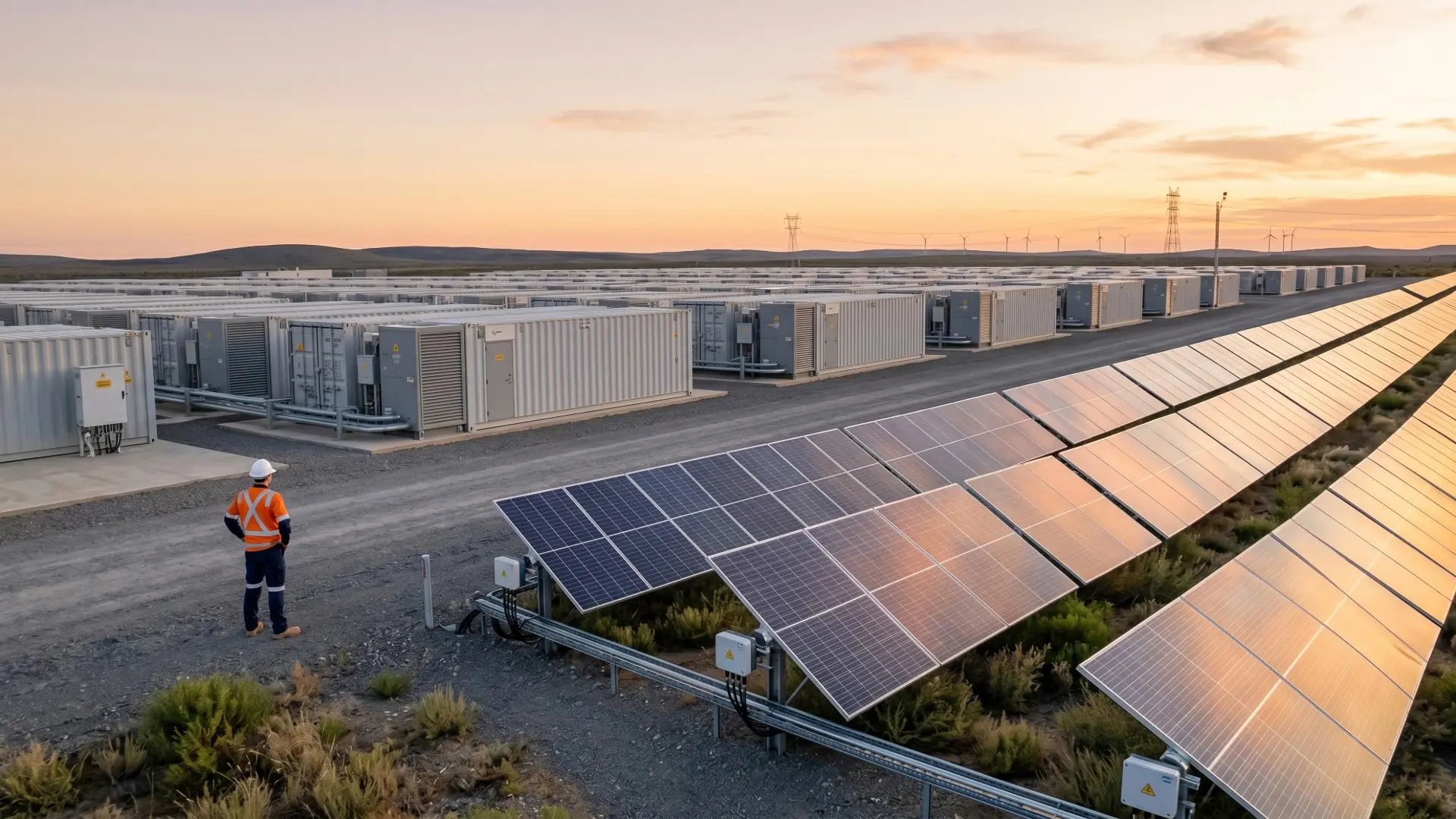
Revenue optimization, position analysis, and tail-risk quantification across diverse generation and storage portfolios
Revenue optimization, position analysis, and tail-risk quantification across diverse generation and storage portfolios

Weather-correlated portfolio modeling, hedge benchmarking, and risk reporting to protect ratepayers and satisfy regulatory scrutiny
Weather-correlated portfolio modeling, hedge benchmarking, and risk reporting to protect ratepayers and satisfy regulatory scrutiny

Scope 2 exposure modeling, PPA risk analysis, and portfolio optimization across multi-site clean energy procurement programs
Scope 2 exposure modeling, PPA risk analysis, and portfolio optimization across multi-site clean energy procurement programs

Portfolio VaR, scenario stress-testing, and independent valuation to protect capital and support investment committee decisions
Portfolio VaR, scenario stress-testing, and independent valuation to protect capital and support investment committee decisions
Key Resources

A New Normal: The Coming Era of Sustained, High Capacity Pricing
This publication is the first in a series from Ascend Analytics that considers the implications of rapid load growth on US capacity markets, high capacity prices as the new normal, the risks that new realities create for business-as-usual strategies, and the opportunities that this paradigm shift enables for well-planned new entry resources.

Best Practices for Hedging in Energy Markets: FAQ
As U.S. power market stakeholders grapple with the effects of increasing renewable penetration, soaring load growth, skyrocketing capacity market prices, and evolving reliability risks, hedging has become a central tool for managing risk and stabilizing returns.
.avif)

Mitigating Hydro Risks in Western US Power Markets
In today's increasingly complex western US energy markets, managing a portfolio with significant hydro resources requires moving beyond reactive physical optimization toward proactive strategies, including the use of hedging and other strategic approaches, that explicitly account for shifting physical and financial risks.