Let's Connect
Contact us
Thank you for reaching out, we will be in touch shortly!
Oops! Something went wrong while submitting the form.


By Brent Nelson, PhD, Senior Managing Director of Market Intelligence, Ascend Analytics
Democrats rode a large blue wave to regain control of the US House and Senate during the 2026 midterm elections, leading many to hope for big changes to climate and clean energy policy. However, President Trump still wields veto power and will likely continue to test the limits of executive power to enforce his priorities, constraining the ability of Democratic lawmakers to move the needle on federal energy policy. More policy movement may come at the state level, however, as multiple state legislatures and governorships flipped during the midterms, resulting in several new Democratic trifectas. Here is Ascend’s view on what to expect for the energy sector coming out of the US midterm elections.
While Democrats have stated they want to restore the clean energy tax credits that are set to expire soon under OBBBA, this will require either support from Trump or enough Republican votes to overcome a presidential veto.
With the priorities of the next Congress still taking shape, it is too early to tell whether this is where Democrats want to spend their time and political capital with no assurance of success. Attempts to restore the tax credits through the budget reconciliation process could avoid a Senate filibuster, but would still require both presidential support and offsetting spending cuts or tax increases that do not negate that presidential support.
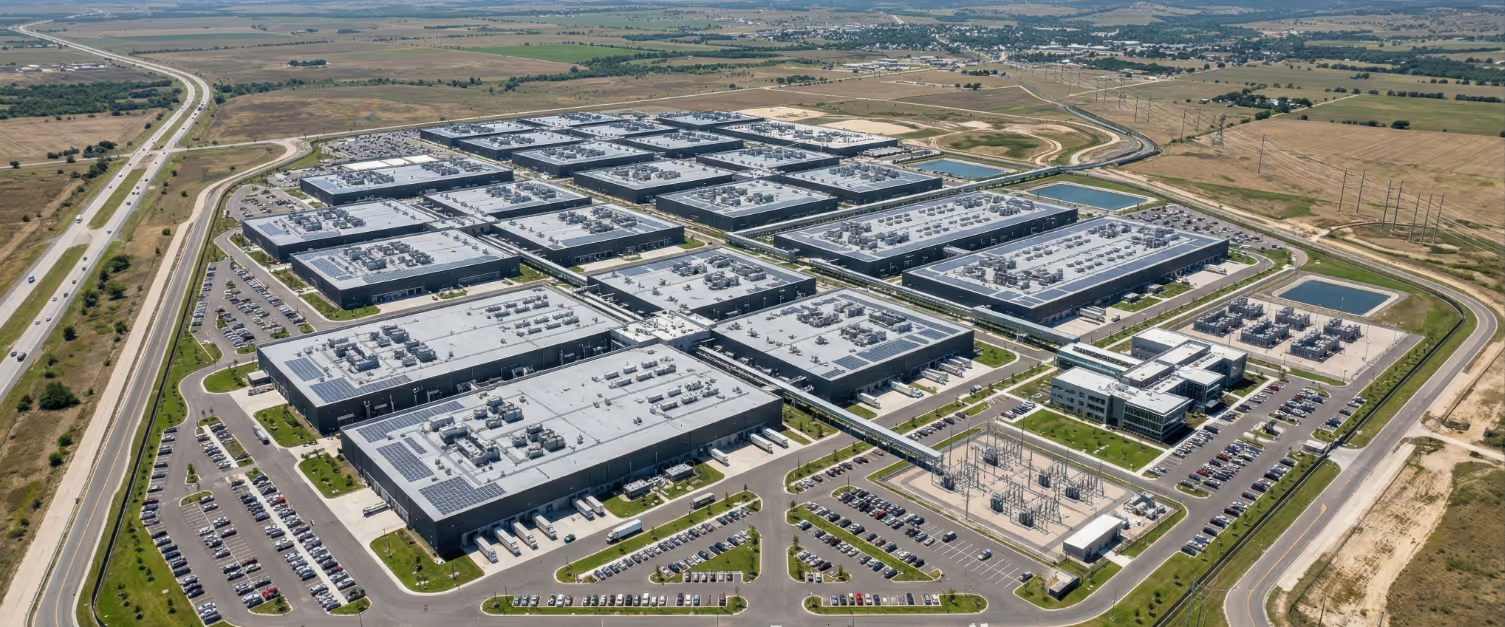
While opposition to data centers and a focus on affordability have found bipartisan agreement just about everywhere, many freshly elected Democratic governors, including those in Texas, Ohio, New Mexico, Michigan, Iowa, and Wisconsin, ran on a platform to keep bills down. Ascend has long argued that affordability protections were coming, that this would require incentivizing new generation separately from existing generation, and that depressed merchant capacity prices would be the result. The only questions were when and how affordability measures would be implemented.
Many of the new governors are advocating for data center moratoriums until affordability issues are resolved, which slows data center buildout in these states and depresses power prices in the near term. While these gubernatorial policy proposals constitute promises at this point rather than laws, Ascend expects the likeliest legislative results to be bring-your-own-new-generation (BYONG) rules and new large-load tariffs that ring-fence costs: these measures would enable governors to stake ground as ratepayer protection advocates without banning data centers outright. Data centers that heavily limit water consumption, pay for their own power supply and grid costs, and use clean energy sources may face an easier path to permitting approvals.
Any deal on permitting reform still requires presidential approval or a veto-proof supermajority, regardless of the change in power in Congress. Trump’s continued attacks on permitted offshore wind (and potential vindictiveness after a stinging midterm election rebuke), as well as the potential for Democrats to overplay their hand at a time when a deal is possible, remain as significant risks. A Democratic House can investigate and subpoena, but absent permitting reform, both the Trump administration and future presidents can continue to use federal agencies to play favorites with preferred energy resources and impede disfavored ones.
Ascend has long pointed to Arizona, Nevada, Wisconsin, Pennsylvania, and Georgia as states to watch for future clean energy mandates. Democratic trifectas now appear likely in Arizona, Nevada, Wisconsin and, Pennsylvania, enabling (though not guaranteeing) passage of binding clean energy mandates in those states.
Georgia elected a Democratic governor and a Democratic utility regulatory commission, and it appears likely to gain Democratic control of the state House of Representatives but not the Senate. While the passage of clean energy laws in Georgia remains unlikely in the near term, the state regulatory commission may push for more clean resources in utility integrated resource plans (IRPs). As Georgia continues to move toward a Republican-Democrat electoral balance, it may pass new clean energy mandates within the next decade.
With a Democratic governor in Austin, anti-renewable bills like those proposed in recent legislative sessions can be vetoed. Examples of past bills include:
While such policy risks remain for Texas in the future, the next four years will be safe for renewable energy.
The US midterm election results are likely more of a rejection of the Trump administration than a permanent electoral shift to the left. Substantive changes in federal energy or climate policy will require trifecta Democratic control of both the executive and legislative branches at the federal level in 2029. That trifecta itself would likely require continued turbulence from the Trump administration, a Democratic Congress that governs competently for two years, or a combination of both. State policies passed by current trifectas can be repealed by future state governments if voters don't see lasting results, effective governance, and, most of all, an improvement when it comes to energy affordability.
Ascend Analytics is the leading provider of market intelligence and analytics solutions for the power industry.
The company’s offerings enable decision makers in power supply, procurement, and investment markets to plan, operate, monetize, and manage risk across any energy asset portfolio. From real-time to 30-year horizons, their forecasts and insights are at the foundation of over $50 billion in project financing assessments.
Ascend provides energy market stakeholders with the clarity and confidence to successfully navigate the rapidly shifting energy landscape.